
In recent years, the embrace of plant-based diets has surged, lauded not only for their myriad health benefits but also for their minimal environmental footprint. This shift towards greener, more sustainable eating habits represents a conscious move away from animal products, driven by a collective desire to nurture our bodies and the planet alike. Yet, beneath the verdant allure of plant-based eating lies a complex landscape, one where the commendable pursuit of health and sustainability is increasingly clouded by the infiltration of genetically modified organisms (GMOs) and an array of heavily processed ingredients.
Subscribe to get access
Read more of this content when you subscribe today.
As we venture further into the exploration of plant-based diets, it becomes crucial to confront the “Veil of Terminology” — a strategic smokescreen employed by food companies to obscure the true nature of what fills our plates. Terms like “Bioengineered”, “corn sugar” and “GE or Genetically Engineered” are not just innocuous labels; they are calculated components of a marketing lexicon designed to sanitize the perception of genetically modified organisms (GMOs). This linguistic maneuvering is emblematic of an industry adept at navigating the regulatory landscapes and consumer sensibilities, repackaging controversial practices into seemingly benign and even innovative advancements in food science.
The employment of such euphemisms raises important questions about transparency and intention. “Bioengineered,” for instance, conveys a sense of scientific progress and precision, potentially diverting attention from the controversies and debates surrounding GMOs. It suggests a forward-thinking approach to food production, one that harnesses technology for the betterment of human nutrition and agricultural efficiency. However, this technocratic veneer may obscure the complexities and nuances of GMOs’ impact on health, ecology, and agricultural biodiversity.
This semantic obfuscation extends beyond the term “bioengineered” to encompass a variety of labels and descriptors that dot the landscape of food packaging. “All-natural,” “plant-based,” and even “organic” can be co-opted into misleading narratives that fail to disclose the full story of food’s origin, production, and modification. Such terms, while evocative of purity and simplicity, often fail to provide clear insights into the presence of genetically modified ingredients or the extent of processing involved.
Encouraging a discerning eye towards these terminologies is not about inciting distrust or skepticism towards science or technological advancement in food production. Rather, it is about fostering a culture of informed consumption, where understanding and awareness guide our food choices. As consumers, questioning and looking beyond the labels can empower us to make decisions that align more closely with our health ideals and ethical values.
This deeper awareness demands that we not only decode the language of food labeling but also engage with the broader context in which these terms are employed. It invites us to consider who benefits from these terminological nuances and at what cost. By peeling back the layers of the corporate vernacular, we can begin to see the food industry’s narratives for what they often are: attempts to navigate the delicate balance between consumer demand for transparency and the industry’s penchant for obfuscation.
In navigating the “Veil of Terminology,” we uncover not just the truths about our food but also the values and priorities that shape the industry that produces it. This journey towards understanding and awareness is a step towards reclaiming our role not just as consumers but as active participants in the food systems that sustain us.

The Health Paradox of Modern Plant-Based Foods:
In the quest for wellness and environmental stewardship, the allure of plant-based diets shines bright, heralded for their potential to uplift health and tread lightly upon the Earth. This burgeoning interest, however, is met with a challenging paradox: not all plant-based foods herald the promised benefits of a diet rooted in nature’s bounty. The assumption that anything plant-based is inherently healthy crumbles under the weight of modern food production practices, where GMOs, lab-created ingredients, and an over-reliance on additives significantly dilute the nutritional integrity of these diets.
The infiltration of genetically modified organisms (GMOs) into plant-based offerings is a point of contention, raising concerns about the long-term implications for health and biodiversity. These engineered entities, while boasting traits like pest resistance or improved yield, often drift far from the essence of what many seek in a plant-based diet: simplicity and purity. The essence of plant-based eating becomes clouded, as these genetically altered foods become staples in diets seeking to eschew the complexities of modern food production.
Even more concerning is the advent of lab-created ingredients designed to mimic the textures and flavors of natural foods. These “created monstrosities” stand in stark contrast to the whole, unprocessed foods that are the cornerstone of a genuine plant-based diet. The quest for convenience and palatability leads to a landscape where heavily processed plant-based foods are laden with high levels of sodium and a cocktail of additives, aiming to replicate the sensory experience of their natural counterparts. This not only undermines the nutritional value but also strays from the diet’s foundational principles.
A true plant-based diet revels in the simplicity and wholesomeness of whole foods sourced directly from the produce department, not concocted in a lab. It celebrates the joy of home cooking, where recipes are born from the earth’s offerings, crafted with care in our own kitchens. This diet thrives on the diversity of fruits, vegetables, grains, nuts, and seeds, each bringing a symphony of nutrients and flavors to the table, unadulterated and pure.
The divergence between this ideal and the reality of modern plant-based products is a call to action. It beckons us to redefine what we consider “plant-based,” urging a return to the fundamentals of eating foods that are as close to their natural state as possible. It reminds us that the essence of a plant-based diet is not captured in the latest engineered meat substitute or the convenience of a pre-packaged meal. Rather, it’s found in the vibrant colors and textures of whole foods, the ones that have nourished generations and promise to sustain future ones.
By embracing this perspective, we not only reclaim the health benefits traditionally associated with plant-based diets but also honor the ethical and environmental principles that inspire this way of living. The journey towards a truly plant-based diet is one of mindfulness and connection, a path that leads us closer to the natural world and its inherent wisdom.
Guidance for Conscious Eating:
Navigating the modern landscape of plant-based diets demands discernment and a commitment to conscious consumption. As we peel away the layers of marketing and face the reality of food production, the path to a healthful, genuinely plant-based diet becomes clearer. Here’s practical advice to guide you through this journey, ensuring your choices nourish both body and spirit, aligning with ethical standards that honor our connection to the Earth.
Seek Out Whole, Unprocessed Foods
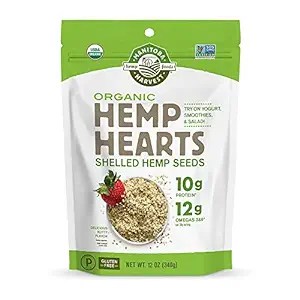
The cornerstone of a true plant-based diet is whole, unprocessed foods. Embrace fruits, vegetables, whole grains, nuts, and seeds in their most natural form. These foods are the pillars of a diet that supports not just individual health, but the health of our planet. Shopping around the perimeter of the grocery store often leads to the freshest and least processed options.
Prioritize Organic and Non-GMO Options
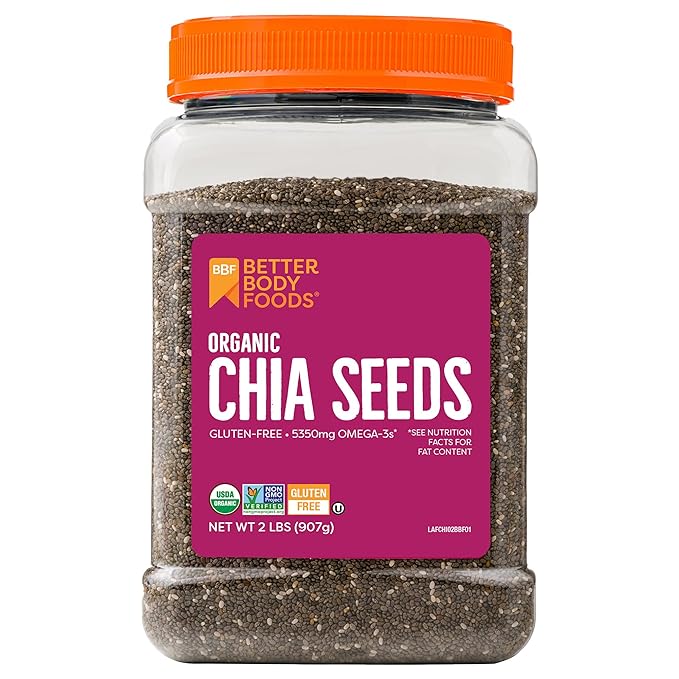
Whenever possible, opt for organic and non-GMO products. Organic foods are grown without synthetic pesticides and fertilizers, offering a purer form of nourishment that respects the natural cycles of the Earth. Non-GMO labels ensure that the foods are free from genetic modification, keeping your diet closer to the natural genetic variations that nature intended.
Become a Savvy Label Reader
The ability to read and understand food labels is invaluable. Look beyond the marketing terms on the front of the package and dive into the ingredient list. The fewer the ingredients, and the more recognizable they are, the better. Keep an eye out for hidden sources of GMOs, excessive sodium, and additives that might compromise the integrity of your diet.
Utilize Resources for Informed Decisions
Several resources can help demystify the world of food labels and certifications. Websites like the Non-GMO Project and the USDA Organic program provide databases of certified products. Apps like “HowGood” and “EWG’s Food Scores” allow you to scan barcodes while shopping to get instant information on the product’s environmental and health impact.
Foster a Connection with Your Food
Whenever possible, grow your own food or support local farmers through farmers’ markets or community-supported agriculture (CSA) programs. This not only ensures the freshness and minimizes the environmental footprint of your food but also strengthens the community and local economy.
Experiment with Home Cooking
Rediscover the joy of cooking at home. Preparing meals from scratch allows you to control the ingredients and avoid the hidden pitfalls of processed foods. Explore plant-based recipes and cooking techniques that celebrate the diversity of flavors and nutrients in whole foods.
Stay Informed and Flexible
The landscape of food production is ever-changing, and staying informed is key to navigating it successfully. Be open to learning and adapting your dietary choices as new information emerges. Remember, the goal is not perfection but progress towards a more conscious and sustainable way of eating.
By adopting these practices, you can navigate the complexities of modern plant-based diets with confidence and clarity. This journey is not just about what we eat but how we choose to engage with the world around us, making choices that support our health, our ethics, and our planet.
Conclusion:
In the tapestry of our daily lives, the choices we make about what we consume extend far beyond the immediate concerns of taste and nutrition; they resonate with our health, our planet, and the very essence of our spiritual well-being. The journey through the modern landscape of plant-based diets, with all its complexities and challenges, ultimately circles back to the potent force of informed choice. This journey underscores a truth that is both simple and profound: when approached with discernment and consciousness, plant-based diets hold the promise to nourish not just our bodies but the soul of the world itself.
As we stand at the crossroads of personal wellness and environmental sustainability, the path of mindful eating emerges as a beacon of hope. It beckons us towards a future where our food choices reflect our deepest values, where the act of eating becomes an act of reverence — for our bodies, for the Earth, and for all living beings. The potential of plant-based diets to transform our health, safeguard our planet, and elevate our spiritual consciousness is immense, but it is only through the lens of awareness and intention that this potential can be fully realized.
Let us, then, embrace this journey with open hearts and minds, willing to explore the rich diversity of the natural world’s bounty, to question the narratives presented to us, and to make choices that resonate with our innermost truths. Let us commit to being stewards of our own well-being and that of the planet, nurturing a relationship with food that is as nourishing as it is sustainable.
I invite you, dear readers, to join in this journey of mindful eating. Together, let us discover the joy and fulfillment that comes from honoring our bodies, our planet, and all its inhabitants. Let this journey be a testament to the power of informed choice, a celebration of life in its most vibrant, interconnected form.
In every seed, every leaf, every bite, there is an opportunity to connect, to grow, and to thrive. Let us seize these opportunities with both hands, forging a path forward that is guided by love, respect, and a profound sense of responsibility towards the world we inhabit. The journey of mindful eating is one that we embark on together, a journey that promises to transform not just our plates, but our hearts and our world.

Call to Action:
As we draw this conversation to a close, I extend an invitation to each of you to share the stories that have shaped your journey through the world of plant-based eating. This blog post is not a conclusion but a beginning—a spark to ignite discussion and foster a community grounded in the principles of conscious consumption.
Have you faced challenges in distinguishing between truly healthful plant-based foods and those masked by the allure of marketing? Have you discovered joys and triumphs in embracing whole, unprocessed foods, finding ways to celebrate the flavors and nourishment they bring to your table? Perhaps you’ve navigated the complexities of labels, learning to decipher the true meaning behind terms designed to obscure. Or maybe you’ve felt the profound connection that comes from aligning your dietary choices with your values of health, sustainability, and spiritual wellness.
Whatever your experiences, challenges, or successes, I encourage you to share them here. Let this space be a testament to the diversity of paths that lead us towards mindful eating. Through sharing, we not only enrich our own journey but also light the way for others, offering insights, inspiration, and a sense of shared purpose.
This post is but a stepping stone into the vast, vibrant landscape of conscious consumption. Together, let’s build a community where dialogue flourishes, where questions are celebrated as the seeds of growth, and where every shared experience strengthens our collective resolve to make choices that honor our bodies, our planet, and all living beings.
So, I invite you to comment below with your stories, insights, and questions. Let us embark on this journey of mindful eating together, supporting one another as we explore the depths of what it means to eat with awareness and intention.
Your participation, your voice, is what will transform this dialogue into a movement, a force for positive change in the world of food and beyond. Let’s start the conversation now.
This blog may contains links and/or ads that are part of my affiliate program. Clicking a link and/or purchasing a product changes nothing for you and only supports this site. Thanks for your support.
Author Spiritwalker
Discover more from Forgotten Wisdom Blog
Subscribe to get the latest posts sent to your email.
 Forgotten Wisdom Blog