
The Forgotten Wisdom of Passive Winter Resilience
The wind howls, driving heavy, silent snow across the landscape. For those committed to self-sufficiency, a deep-winter storm brings one stark reality: the vulnerability of the grid. While a crackling wood stove is a prepper’s best friend, relying solely on active heat (firewood, propane, generators) is a modern weakness.
True resilience means mastering passive heat retention—turning your dwelling itself into a thermal battery and a fortress against the cold.
This post reveals three essential, zero-power strategies that utilize forgotten architectural and textile wisdom to keep you warm when the snow falls and the electricity fails.
1. 🌬️ Air Sealing: Plugging the Leaks with Found Materials
Your number one priority during a winter power outage isn’t creating heat; it’s trapping the heat you already have (including your own body warmth). The most significant loss comes from drafts and air infiltration, especially around windows and doors.
- The DIY Draft Snake: Roll up old towels, blankets, or even socks and stuff them with dense materials like rice, dried beans, or sand for added weight. Place these “snakes” tight against the bottom of all exterior doors.
- The Towel Tactic for Doors: For doors you won’t be using, slightly wet a towel, wring it out, and lay it across the threshold. As it dries, it creates a surprisingly tight and substantial air seal that’s more effective than dry fabric alone.
- Window Perimeter Drafts: For a temporary, non-permanent seal on leaky window frames, use removable rope caulk or wide painter’s tape to cover the seams where the glass or sash meets the frame.
- Bubble Wrap Insulation: If you don’t have specialized shrink film kits, a simple sheet of bubble wrap cut to fit the windowpane, sprayed with a mist of water, and then pressed against the glass is a shockingly effective, temporary insulator.
Forgotten Wisdom Tip: Always check interior doors too! Blocking off unused rooms and hallways conserves heat in your core living zone, drastically reducing the cubic volume of air you need to keep warm.

Best Choice Products 48in Large Artificial Pre-Lit Fir Christmas Wreath Holiday Accent Decoration w/ 200 LED Lights, 714 PVC Tips BLACK FRIDAY (WEEK) DEAL AVAILABLE NOW! $99.99
2. 🏠 The “Room Within a Room” Strategy
In a true cold-weather emergency, you must strategically shrink your livable footprint to concentrate all available heat. This is the efficient, zone defense approach to home heating.
- The Core Zone: Designate one small, interior room with the fewest exterior walls as your winter “sleeping/living hub.” A large closet, pantry, or small, interior bedroom works best. Ideally, this room has windows facing the equator (South in the Northern Hemisphere, North in the Southern Hemisphere) to benefit from daytime solar gain.
- Insulation Tents: Use blankets, heavy quilts, or even tarps suspended from the ceiling to create a ceiling-to-floor tent inside your Core Zone. This drastically shrinks the cubic volume of air you need to keep warm, using your heavy fabrics as wall insulation.
- The Blanket Wall: Temporarily hang heavy blankets, thick curtains, or thrift store quilts over the doorways of unused rooms and over the windows in your Core Zone. This creates an insulating air pocket and stops cold air from radiating into your space.
- Utilize Thermal Mass: If you have large, durable containers (like buckets or jugs), fill them with hot water (if you can safely heat it on a gas or wood stove) and place them inside the tented Core Zone. This acts as a radiant thermal mass that releases heat slowly overnight, softening the cold.
3. ☀️ Harnessing and Managing Passive Solar Gain
Even on a cloudy, snowy day, the sun can provide invaluable, zero-cost heat. On a clear winter day, this becomes your most powerful non-fuel energy source.
- Maximize Daytime Gain (The Oven Effect): Identify and open all curtains or shutters on your sunniest windows (those facing the equator) the moment the sun comes up. Allow the direct sunlight to hit interior surfaces—especially dark tile, stone, or even dark-colored rugs, which act as thermal mass to absorb and store the heat.
- Minimize Nighttime Loss (The Drawbridge Effect): Crucially: Just before sunset, or as soon as the sun is off the window, immediately close and tightly seal all curtains, shutters, and blankets over those windows. This traps the heat accumulated during the day inside the house, preventing it from radiating back out through the glass.
- Ceiling Fan Reversal: If you have a small solar or battery setup to run just one appliance, use it for your ceiling fan. Run the fan on the lowest speed in reverse (clockwise). This pushes the warm air that naturally rises to the ceiling back down along the walls and into the living space without creating a chilling draft.
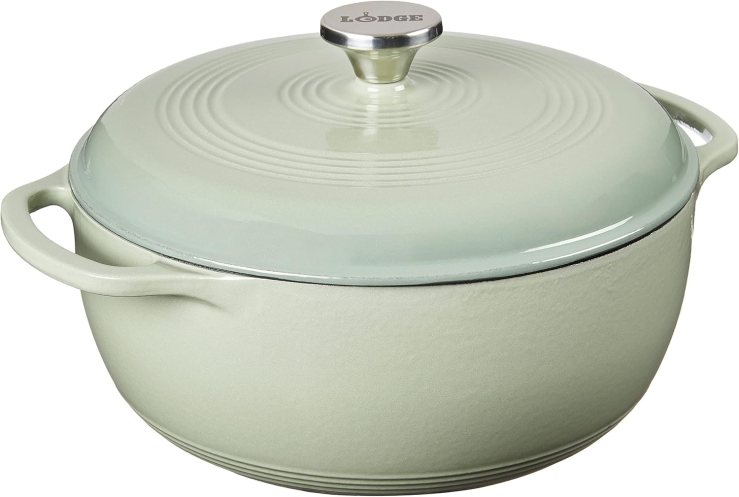
Lodge 6 Quart Enameled Cast Iron Dutch Oven with Lid – Dual Handles – Oven Safe up to 500° F or on Stovetop – Use to Marinate, Cook, Bake, Refrigerate and Serve – Desert Sage BLACK FRIDAY (WEEK) DEAL AVAILABLE NOW! $74.99
Final Thoughts on Winter Resilience
Forgotten Wisdom isn’t about complex, expensive gear; it’s about seeing your environment and your dwelling with new eyes. A towel becomes a weatherstrip, a dark rug becomes a solar collector, and an unused closet becomes a life-saving sanctuary.
Master these simple, passive techniques, and you dramatically increase the autonomy and livability of your homestead, no matter how hard the winter storm rages outside your door.
Discover more from Forgotten Wisdom Blog
Subscribe to get the latest posts sent to your email.
 Forgotten Wisdom Blog