
Most people who start prepping focus on one thing: stockpiling food. Shelves get filled, buckets get stacked, and for a while it feels like the problem is solved. But here’s the hard truth—many preppers will run out of food after the first year, not because they didn’t store enough, but because they didn’t prepare correctly for the long term.
The first mistake is relying too heavily on short-term thinking. A pantry built for emergencies like storms or temporary shortages is very different from a pantry meant to support daily life over multiple years. Many people calculate food based on calories alone, without accounting for repetition, appetite fatigue, waste, spoilage, or the reality that food becomes your primary comfort when everything else is gone.
Another major reason preppers run out of food is poor rotation. Food gets stored and forgotten. Cans expire. Grains absorb moisture. Oils go rancid. When food isn’t part of daily life, it quietly degrades. A pantry that isn’t actively used and replenished becomes unreliable faster than most people realize. Long-term food storage only works when you eat what you store and store what you eat.

Overreliance on processed and convenience foods is another weak point. Freeze-dried meals, boxed foods, and ready-made kits may last a long time on paper, but they don’t always stretch as far as people expect. Portions are often smaller than advertised, and morale drops fast when every meal tastes the same. When food becomes boring or unsatisfying, people eat more trying to feel full, burning through supplies quicker than planned.
Many preppers also underestimate how much food they actually consume when living entirely off stored supplies. When physical labor increases—hauling water, cutting wood, cooking from scratch—calorie needs go up. Stress alone increases hunger. What looked like a year’s supply on a spreadsheet may only last eight or nine months in real life.
Lack of food production is another critical failure point. Stockpiling without growing, foraging, hunting, fishing, or preserving new food creates a countdown clock. Once the stored food is gone, it’s gone. Long-term preparedness requires at least some ability to replace what you eat. Even a small garden, simple sprouting, or basic seed saving extends food security dramatically.
Finally, many people never plan for loss. Spills happen. Rodents get in. Jars break. Harvests fail. When plans are built with no margin for error, even small losses add up over time. A true long-term food plan always includes extra—not just enough.
The reality is this: surviving the first year is not the same as sustaining life beyond it. The first year is about stored food. Every year after that is about systems—rotation, replacement, production, and adaptability. Preppers who understand this early don’t just survive longer; they live better with less stress and fewer surprises.
If you want to prepare for the long haul, stop asking how much food you need for a year and start asking how you’ll keep food coming after that year is over. That shift in thinking is what separates short-term preparedness from true self-reliance.
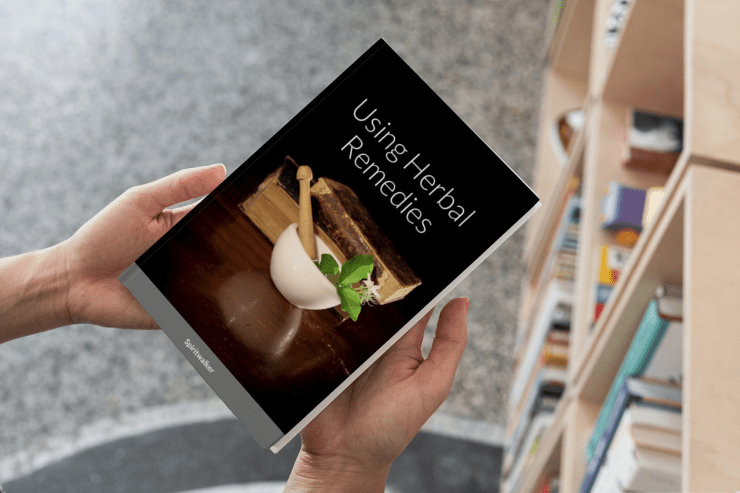
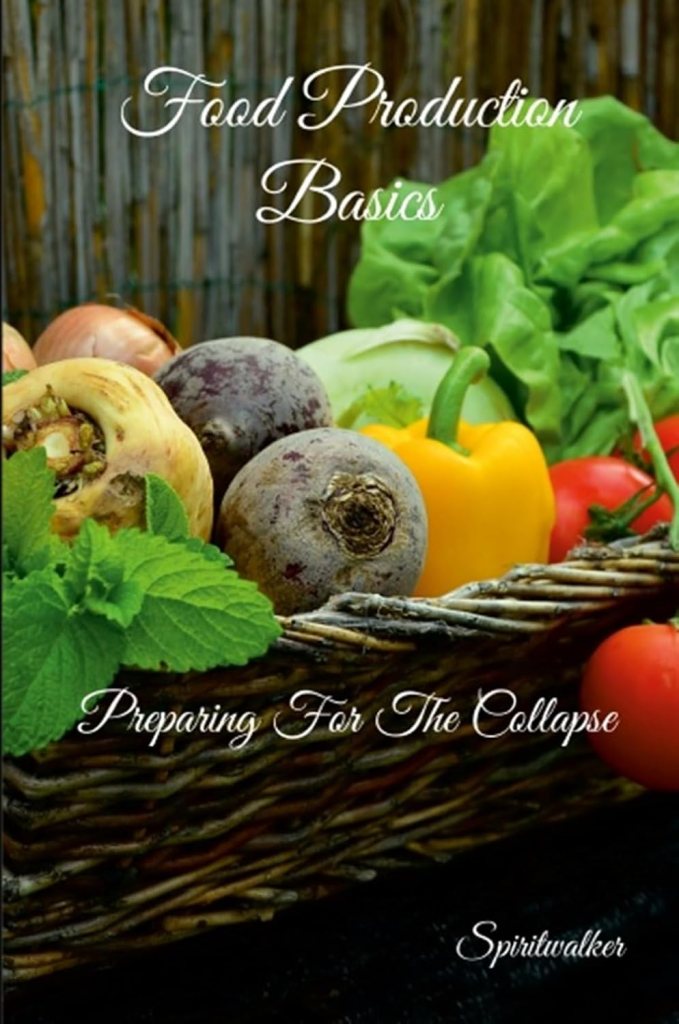
This is exactly why I wrote Preparing for the Collapse – Food Production Basics. That book exists because I saw the same pattern over and over again: people stockpiling food without ever addressing how they would replace it. Buckets get stacked, shelves get filled, and for a while it looks like preparedness. But once the first year passes, those stockpiles turn into a countdown instead of a solution.
Preparing for the Collapse – Food Production Basics is focused entirely on breaking that cycle. It teaches people how to produce their own food off-grid, without relying on modern systems, electricity, or fragile supply chains. Gardening, seed saving, soil building, food preservation, and sustainable production are treated not as hobbies, but as survival skills. The book was written with the same mindset behind this article: real preparedness means continuing life after stored food runs out.
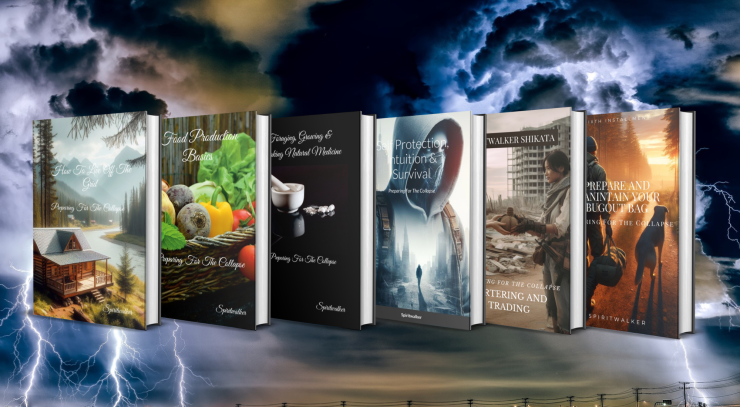
The truth is, most preparedness advice stops at accumulation. Very few people are teaching what comes next. That gap is exactly what this book—and the entire Preparing for the Collapse series—was created to address. The series now spans seven books, all written with post-apocalyptic conditions in mind, where systems don’t return quickly and self-reliance isn’t optional. These aren’t books about surviving a short disruption. They are about living past the first year, when stockpiles are gone and daily life must continue.
I understand why people focus on stockpiling. It feels tangible. It feels safe. But it also creates a false sense of security if it isn’t paired with production, skills, and systems. That’s the problem I saw, and that’s why I wrote this collection. The goal was never to teach people how to survive temporarily—it was to teach people how to live, sustainably and independently, when the old world no longer functions the way it used to.
If someone is serious about long-term preparedness, food production isn’t optional. It’s foundational. And learning it now, while mistakes are still affordable, is far easier than trying to figure it out when there’s no backup plan left.
Discover more from Forgotten Wisdom Blog
Subscribe to get the latest posts sent to your email.
 Forgotten Wisdom Blog