
When a major storm approaches — like a powerful Nor’easter lining up along the East Coast — most people prepare for a few days without power.
But storms are getting stronger. Infrastructure is aging. Restoration takes longer than it used to.
So the wiser question isn’t:
“How do I get through a weekend outage?”
It’s:
“How would I function if the grid stayed down for weeks?”
Preparing for a long-term grid-down situation isn’t about fear. It’s about removing pressure before it arrives.
Let’s walk through it calmly.
1. Water Is the First Line of Defense
When power goes out, municipal water often follows — especially in areas that rely on electric pumps.
You need:
- At least one gallon per person per day
- Stored water in multiple containers
- A backup purification method (gravity filter, boiling, bleach)
If you’re ahead of the storm, fill:
- Bathtubs
- Sinks
- Every clean container you own
Water disappears faster than people think.

144 candles × 10 hours each = 1,440 hours of light.
That’s not just décor.
That’s preparedness.
That’s backup power.
That’s security during outages.
2. Heat Becomes Critical in Winter
In a Nor’easter scenario, cold isn’t an inconvenience — it’s a threat.
Prepare:
- Extra blankets and layered clothing
- Sleeping bags rated for low temperatures
- Safe indoor heating options (propane heaters rated for indoor use, wood stoves)
- Carbon monoxide detectors with fresh batteries
Close off unused rooms. Consolidate living space. Insulate windows with plastic if needed.
Small, warm spaces are easier to manage than cold, open houses.
3. Food That Requires Minimal Cooking
In a long-term outage, convenience becomes survival.
Focus on:
- Shelf-stable foods
- Easy-to-prepare meals
- Items that require little water
Think:
- Rice and beans
- Oats
- Canned goods
- Peanut butter
- Pasta
- Shelf-stable soups
Have manual can openers. Have simple cooking methods — propane camp stove, butane burner, outdoor grill.
Keep it simple. Calories matter more than creativity.

72 candles × ~10 hours = 720 hours of warm ambient light.
That’s:
• Multiple full-length events
• Backup emergency lighting
• Holiday décor for an entire season
• Restaurant-level supply
4. Light Without Fire Risk
Candles are useful — but risky if used carelessly.
Better options:
- LED lanterns
- Headlamps
- Flashlights with extra batteries
Headlamps are underrated. They free your hands and prevent accidents.
Accidents increase when visibility drops.
5. Communication and Information
Phones die. Internet drops. Towers overload.
Before the storm:
- Charge everything
- Have battery banks ready
- Consider a weather radio
Information reduces panic. Not knowing increases it.
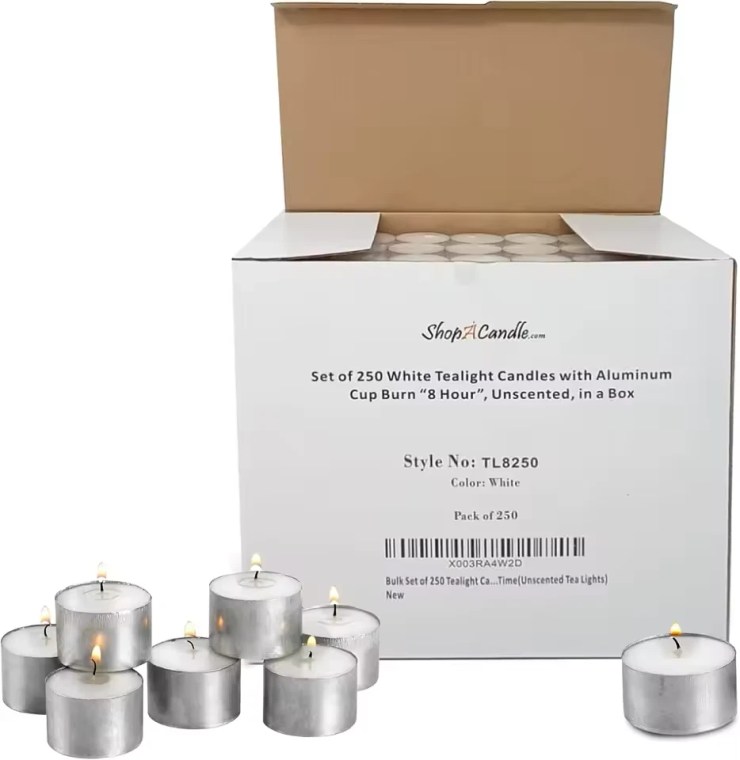
250 candles × 8 hours = 2,000 hours of total light.
That’s not just décor.
That’s backup lighting.
That’s atmosphere on demand.
That’s emergency readiness quietly built into your supply.
6. Sanitation and Waste
This is where long-term outages get uncomfortable.
If water service fails:
- Line toilets with heavy-duty trash bags
- Use bucket systems if necessary
- Store extra toilet paper
- Keep bleach on hand
Cleanliness prevents secondary problems.
7. Protecting Your Food Supply
If refrigeration fails:
- Keep fridge closed as much as possible
- Eat refrigerated food first
- Move items outside in freezing conditions (secure from animals)
A full freezer stays frozen longer than a half-empty one.
Know what to eat first. Don’t waste cold storage.

8. The Mental Game
The biggest threat during a long outage isn’t always cold or hunger.
It’s stress.
Structure your day:
- Morning routine
- Meal times
- Evening wind-down
Keep kids occupied. Read. Play cards. Cook intentionally.
Calm spreads just as quickly as panic.
9. Think Beyond This Storm
Here’s the truth: grid instability isn’t a one-time event. It’s becoming more common.
Preparing for a Nor’easter is smart.
Preparing for repeated disruptions is wiser.
Start building:
- Water reserves
- Dry food storage
- Backup heating
- Skills
Each storm becomes less threatening when your shelves are steady.
Closing Reflection
We don’t prepare because we expect disaster.
We prepare because we understand systems fail.
When the lights go out, preparation feels less like survival — and more like responsibility.
If you live in the path of this coming storm, don’t panic.
Slow down.
Fill water.
Layer blankets.
Charge devices.
Cook intentionally. Preparation is peace in motion.
Discover more from Forgotten Wisdom Blog
Subscribe to get the latest posts sent to your email.
 Forgotten Wisdom Blog