
There’s a myth in the preparedness world that you need thousands of dollars to start.
You don’t.
Prepping isn’t about building a bunker overnight. It’s about strengthening weak points slowly and intentionally — especially when money is tight. In fact, preparing on a limited budget forces you to focus on what truly matters.
If you only have a little extra cash each week, here’s where to begin.
1. Water Comes First — Always
Before food. Before gear. Before tools.
Store water.
Municipal systems fail more often than people realize — power outages, frozen lines, contamination events, pump failures. When water stops flowing, panic follows within hours.
Start simple:
- Reused, cleaned soda bottles
- 5–7 gallon water jugs
- A gravity water filter when you can afford one
You don’t need a fancy system. You need redundancy.
Aim first for one gallon per person per day for at least 3–7 days. Build from there.
Water is stability.
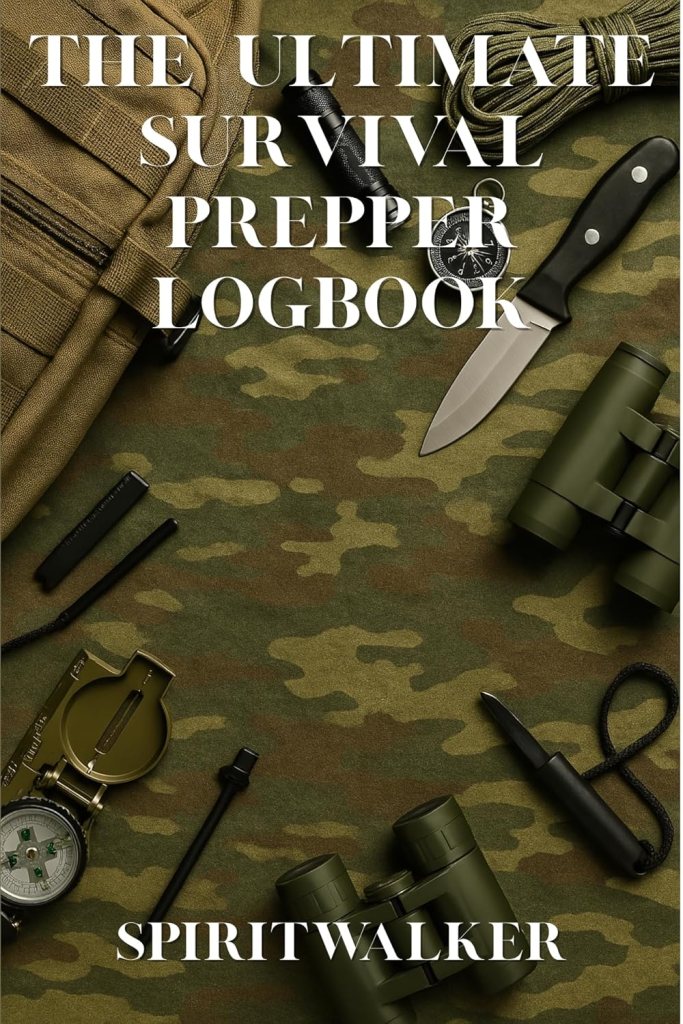
✅ What’s Inside:
- Medical Information Pages – Track vital details for you and your family
- Emergency Services & Local Resources – Keep contact numbers and supply points close
- Bug-Out Bag Checklist – Organize gear by category, weight, and season
- Maintenance & Rotation Logs – Stay on top of food, water, batteries, fuel, and more
- Bug-Out Plans – Map out primary and alternate evacuation routes
- Customizable Templates – Fill-in-the-blank sections to adapt to your specific situation
Built with rugged clarity in mind, this logbook is easy to use in high-stress situations. It’s the perfect tool to organize your preps, identify gaps, and ensure nothing gets forgotten when time is short.
2. Cheap Calories That Store for Years
Next, secure food that:
- Is inexpensive
- Stores long term
- Requires minimal ingredients
The kings of budget prepping are simple:
- Rice
- Dry beans
- Lentils
- Oats
- Pasta
- Salt
- Sugar
- Flour
These foods don’t care about inflation headlines. They sit quietly and wait.
A 20-pound bag of rice costs less than one dinner out. Yet it holds thousands of calories.
When money is tight, calories matter more than variety.
3. Protein You Can Actually Afford
Protein is usually the most expensive part of prepping. But there are budget options:
- Dry beans (again — they’re doing double duty)
- Peanut butter
- Canned tuna when on sale
- Canned chicken
- Powdered milk
Buy extra when prices dip. Rotate what you eat.
You don’t need a year of freeze-dried steak. You need sustainable basics.

4. Light and Heat Without the Grid
When people prep on a budget, they often skip over light and heat. That’s a mistake.
Start with:
- Candles
- Matches and lighters
- A basic propane camp stove
- Extra blankets
- A small butane burner
These items are cheap compared to generators and solar systems — and far more realistic for most households starting out.
Comfort reduces panic. Warmth prevents bad decisions.
5. Hygiene and Sanitation
When systems strain, hygiene becomes critical.
Stock:
- Bar soap
- Toothpaste
- Feminine hygiene supplies
- Trash bags
- Bleach
- Toilet paper
It isn’t glamorous. But sanitation prevents disease, and disease spreads quickly when infrastructure falters.

6. The Most Overlooked Stockpile: Skills
If you’re broke, this is your leverage.
Learn to:
- Cook from scratch
- Bake bread
- Soak and prepare dry beans properly
- Repair basic items
- Purify water
- Preserve food
Skills weigh nothing. They cost little. And they multiply the value of everything you own.
When the economy tightens, skill becomes currency.
What Not to Buy First
Let’s be honest about this.
Don’t start with:
- Tactical gear
- Expensive freeze-dried meals
- Fancy generators
- Doomsday gadgets
Those can come later.
Foundation first.
Water. Calories. Heat. Hygiene. Skill.
Everything else builds on that.
Start Where You Are
Prepping on a tight budget is not a weakness. It’s actually how most of history survived.
Our grandparents didn’t panic-buy. They stored a little extra each week. They kept flour in bins. They saved scraps. They learned to mend. They didn’t rely on daily grocery runs.
Preparedness is less about fear — and more about discipline.
If you can add even $10–$20 worth of essentials each week, in a year your household looks completely different.
Quietly stronger.
Quietly calmer.
Quietly ready.
Closing Thought
The goal isn’t to build a fortress overnight.
The goal is to remove anxiety one shelf at a time.
When you open a cabinet and see extra rice, extra water, extra soap — something shifts in your nervous system.
That shift is resilience. And resilience is affordable.
Discover more from Forgotten Wisdom Blog
Subscribe to get the latest posts sent to your email.
 Forgotten Wisdom Blog